
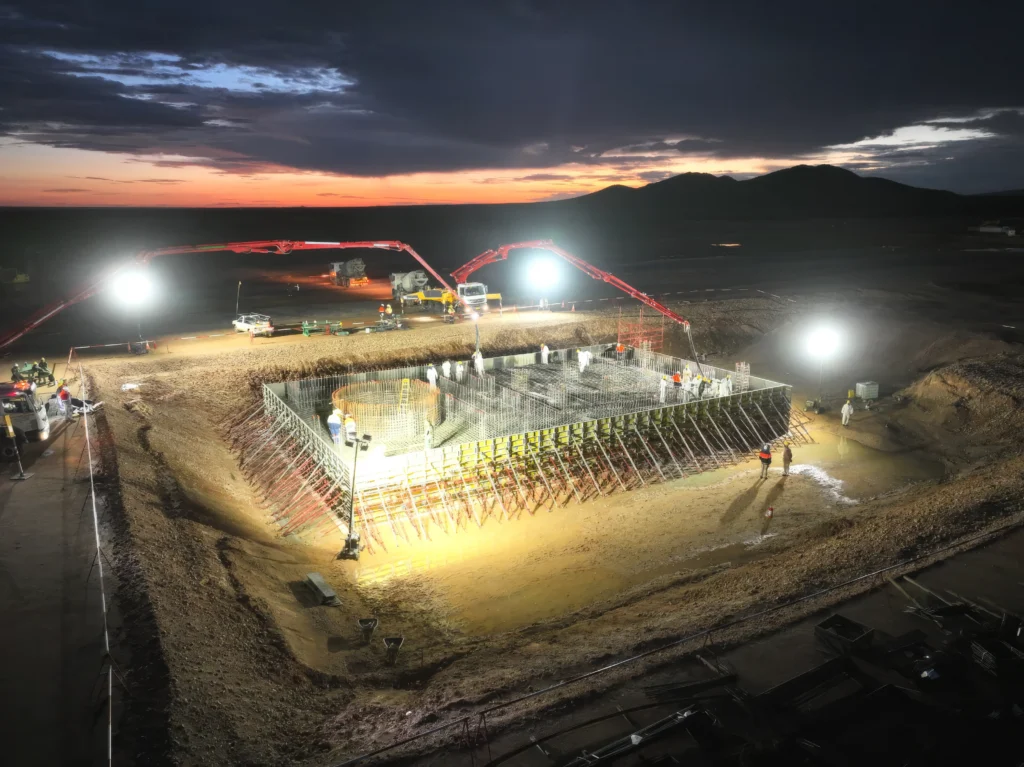
Construction projects involve consultants, engineers, contractors, specialist suppliers and subcontractors, each responsible for different aspects of the work. Even when individual teams fulfil their obligations, problems can arise where responsibilities overlap. Design decisions may affect material availability. Procurement delays can interrupt scheduled construction activities. An unresolved interface between work packages may only become apparent once contractors arrive on site. For clients, these issues affect the programme, costs and completion dates. Turnkey construction project delivery offers an approach in which one accountable delivery partner coordinates all activities required to achieve the agreed project outcome.
What Single Point Accountability Means
Under an integrated turnkey delivery model, a single delivery partner coordinates design, procurement, logistics, construction planning, and specialist contractors.
disciplines retain their technical responsibilities. The difference lies in how they coordinate their work and resolve issues between them.
Rather than requiring the client to resolve disagreements between separate parties, a defined delivery structure allocates responsibility for addressing problems and maintaining progress.
The Importance of Early Coordination
Some of the most important construction decisions are made before work begins on site.
Specifications influence procurement options. Procurement lead times affect installation dates, while construction sequencing can influence design development and specialist appointments.
When teams make these decisions independently, problems may only become apparent after commitments are made.
For example, a specified item may have a delivery period that does not align with the construction programme. Changing the specification becomes more difficult once procurement is underway.
Integrated project delivery lets design, procurement, and construction teams address these dependencies earlier, while practical alternatives are still available.
Procurement and the Construction Programme
Procurement directly influences construction sequencing, particularly where projects depend on imported materials, specialist equipment and suppliers operating across borders.
Shipping arrangements, customs clearances and transport availability can determine when specific work packages can begin.
Procurement planning therefore needs to develop alongside the construction programme, considering material availability, delivery dates, and installation requirements together.
Timing also matters. On remote sites, delivering valuable materials too early increases the risk of theft, loss, and damage during storage. Delivering them too late can delay subsequent activities.
Coordinating procurement with the construction programme helps teams balance these competing considerations.
Planning and Sequencing in Practice
Planning remains important throughout execution, not only when the initial programme is prepared.
As construction progresses, teams must compare actual site conditions with planned activities. Design queries, resource constraints, and access changes can require adjustments to the work sequence.
Without regular review, delays can compress remaining activities into a shorter timeframe.
The original RadX article calls this the concertina effect. Extended working hours, reduced efficiency and increased pressure on construction teams can result when activities accumulate towards completion.
Regular programme discussions between the client and contractor help them identify emerging issues and agree on adjustments before pressure increases.
Coordinating Multiple Work Fronts: Eagle Heights Example
The Eagle Heights development demonstrates the level of coordination required on complex construction projects.
Combining residential, hospitality and healthcare components, the development includes four active areas progressing within a single project boundary.
Each area has its own activities and sequencing requirements, but the overall programme must remain coordinated.
The original RadX article also describes introducing a Group Planning Manager across projects in Zimbabwe, Mozambique, and South Africa to align planning and site execution.
At Eagle Heights, continuous programme review and early identification of potential issues are important to managing simultaneous work fronts.
This example highlights the practical demands of coordinating construction activities across a development with several active areas.
Managing Subcontractors, Plant and Equipment Allocation
Construction sequencing also determines when subcontractors, plant and equipment are required.
Mobilising specialist contractors before work areas are ready can result in unnecessary waiting time. Bringing them in too late can create pressure to accelerate subsequent activities.
Plant and equipment also require careful coordination, especially where resources are shared between projects.
Retaining equipment longer than necessary increases costs. Removing it before relevant work is complete can interrupt progress.
Consider these decisions alongside procurement schedules and the availability of work areas.
Maintaining Control During the Final Stages of Construction
The final stages of construction require careful coordination of outstanding work, specialist activities and finishing requirements.
In hospital and hotel developments, incorrect specifications or incomplete mechanical systems can affect whether facilities are ready for their intended use.
The Eagle Heights article emphasises controlled execution during the final fixing stages, as unresolved details can have significant consequences for completion.
Accurate progress information, clear milestones, and coordinated sequencing help teams identify what remains outstanding and which activities need attention.
For developers working towards operational opening dates, delays at this stage can have commercial consequences.
Is Turnkey Delivery Right for Every Project?
Turnkey construction is not always the right arrangement for every development.
Some clients have experienced internal teams capable of coordinating multiple consultants, suppliers and contractors.
Others may benefit from a single accountable delivery partner to coordinate the different disciplines and interfaces.
The appropriate approach depends on project requirements, the client’s resources and the responsibilities established under the chosen delivery model.
The Value of Turnkey Construction Project Delivery
Turnkey construction project delivery adds value by establishing clear accountability across interconnected activities and ensuring responsibilities are defined and managed throughout the process.
A single delivery partner cannot eliminate design changes, procurement challenges or construction delays. However, an integrated approach enables coordinated planning and decision-making to address these matters.
The lessons discussed in RadX’s published articles reinforce the importance of early decisions, realistic procurement planning, continuous programme review and direct coordination among those responsible for delivery.
These considerations remain relevant from initial planning through to the final stages of construction.